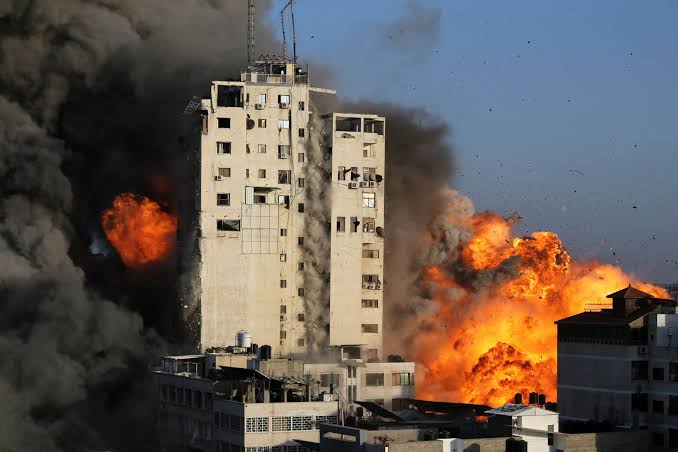
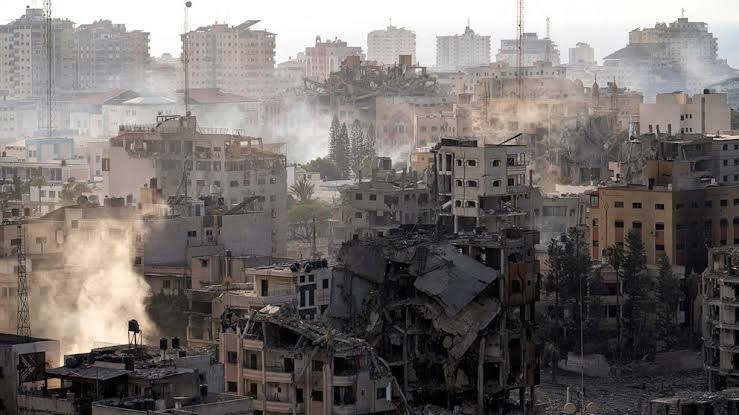
The Israel-Palestine conflict is a complex and deeply rooted geopolitical issue that spans decades. It involves historical, religious, territorial, and political dimensions, making it challenging to encapsulate in a brief response. However, I can provide you with a concise overview.
The conflict has its roots in the late 19th and early 20th centuries when nationalist movements in the Middle East gained momentum. The Zionist movement, advocating for a Jewish homeland, gained prominence in the context of increasing anti-Semitism in Europe. The Balfour Declaration in 1917 expressed British support for a “national home for the Jewish people” in Palestine.
Tensions heightened as Jewish immigration increased during the British Mandate (1920-1948). The United Nations proposed a partition plan in 1947, suggesting the creation of separate Jewish and Arab states. While Jewish leaders accepted the plan, Arab leaders rejected it, leading to the first Arab-Israeli war in 1948.
The war resulted in Israel’s establishment and significant displacement of Palestinian Arabs. The following decades witnessed a series of conflicts, including the Suez Crisis (1956), the Six-Day War (1967), and the Yom Kippur War (1973), each shaping the territorial boundaries and power dynamics of the region.
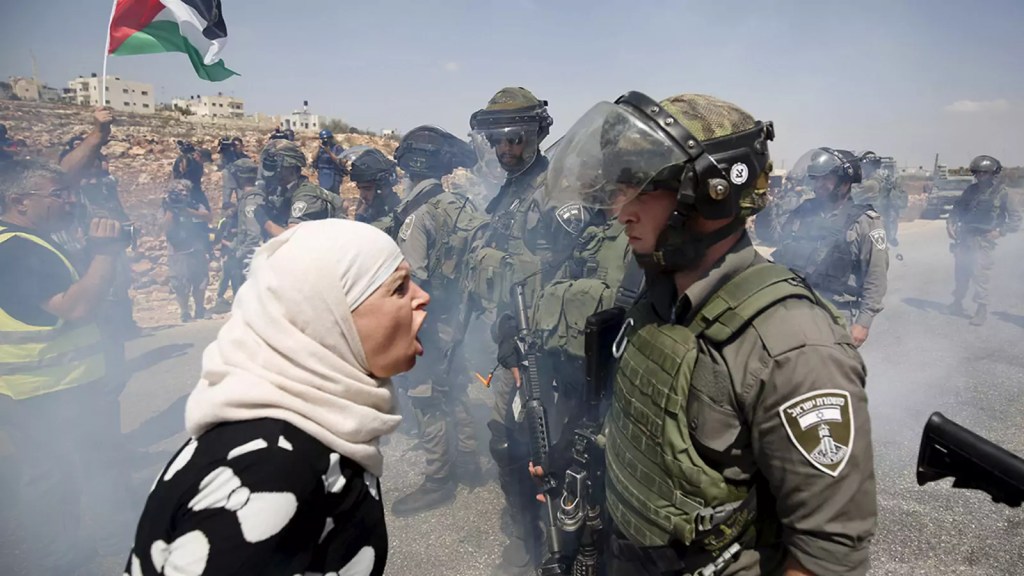
One of the central issues is the status of Jerusalem, a city of religious significance to Jews, Christians, and Muslims. The city’s eastern part was occupied by Israel in 1967, a move not internationally recognized. The Oslo Accords in the 1990s aimed at achieving a two-state solution, with the establishment of a Palestinian state alongside Israel. However, subsequent negotiations faced challenges, including issues related to borders, refugees, security, and the status of Jerusalem.
Settlement expansion in the West Bank by Israel has been a major point of contention, as it impacts the viability of a future Palestinian state. The construction of a separation barrier, referred to by Israelis as a security measure and by Palestinians as an “apartheid wall,” has also fueled tensions.
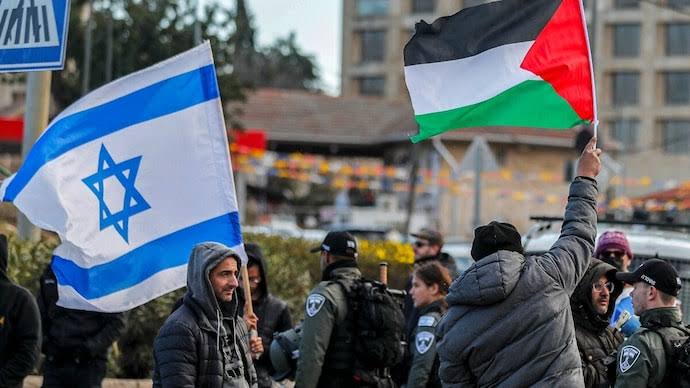
The Gaza Strip, controlled by the Palestinian group Hamas, has been a focal point of conflict. Israel has imposed blockades in response to security concerns, exacerbating humanitarian challenges in the densely populated area.
The conflict has witnessed cycles of violence, with periodic clashes erupting into full-scale wars. The use of force, terrorism, and human rights abuses by both sides has drawn international condemnation. Efforts by the international community, including the United Nations and various peace initiatives, have often faced obstacles in reaching a sustainable resolution.
In summary, the Israel-Palestine conflict is a deeply rooted and multifaceted issue with historical, religious, and political dimensions. Resolving the conflict requires addressing complex issues such as borders, refugees, Jerusalem, and the status of settlements, while navigating the deep-seated grievances of both Israelis and Palestinians.
 TiME OF RAN